To get a camper ready for a road trip, inflate the tires to the pressure on the certification label while they are cold, check the engine and brake fluids, test the hitch, trailer brakes and lights, test the smoke, carbon monoxide and propane detectors, secure everything inside, and book a campsite that fits your RV’s length and hookup needs.
Key Takeaways
- Check tire pressure cold, before driving more than one mile; Go RVing notes tires can lose 2-3 psi a month in storage.
- For a bumper-hitch trailer, tongue weight is typically 10% to 15% of the loaded trailer weight; fifth wheels and goosenecks carry 20% to 25%.
- Test smoke, carbon monoxide and propane detectors before every trip, and shut the propane off at the tank while driving.
- Tell the campground your RV’s total length and whether you need 30-amp or 50-amp power, water and sewer hookups.
- Carry paperwork: registration, driver’s license and proof of insurance.
If you have just bought or rented a motorhome or travel trailer and are planning a road trip, the camper itself needs preparing as carefully as the route. Campers range from motorhomes you drive to travel trailers and fifth wheels you tow, and knowing how to get your camper ready for a road trip helps you arrive safely, without breakdowns or forgotten gear.
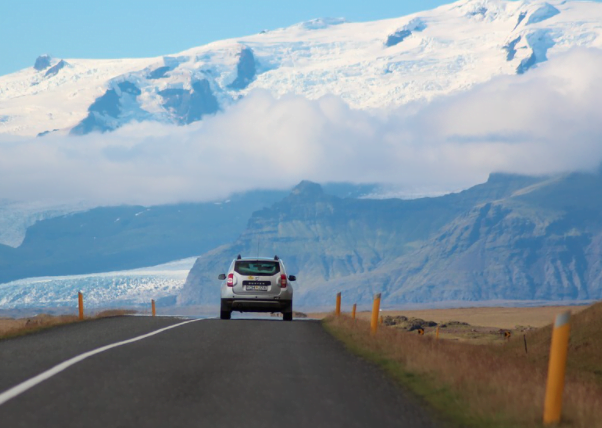
First and foremost you will want to ensure that your vehicle is road legal. Keep the paperwork for your recreational vehicle (RV) with you before you leave on your trip: current registration, your driver’s license and proof of insurance. Campgrounds exist for overnight stays, so the thing to confirm with them is your reservation and a site that fits your rig, not permission to stay the night.
When you book a campsite, tell the campground how many people are coming and how many sleeping bags or beds you need, plus your RV’s total length and the hookups you want (electric, water, sewer). Sites are assigned by length and hookup type, so a wrong booking can leave you with a site your rig does not fit. You will also need to call the campground and find out if there are other amenities at the site that you can use to make your stay more enjoyable.
If you do not own a camper, you can rent a motorhome or travel trailer instead; if you are tent camping, you may need to rent or buy camping supplies and furniture to set up your tent.
Before setting out on your journey you will want to make sure that you have packed everything necessary for your trip. This may include food, drinks, clothing, and entertainment items. In addition to packing appropriately, you will want to bring a copy of your itinerary and any maps that you may need.
Accessibility varies from campground to campground, so if anyone in your group has a disability, ask which sites, restrooms and showers are accessible before you book. For your safety, it is recommended that you pack comfortable walking shoes as you may find that the ground is wet and slippery when it rains.
If you are traveling in a group of friends or family who want to enjoy the sites that you visit, you will want to make sure that you inform the campground management about your plans.
They may offer various services such as trash removal, security, and emergency assistance. They will also have information about ranger stations and which ones are closest to your camping area.
The best way to travel safely and comfortably while camping is to pack your own meals and beverages. You will also need to bring plenty of water and toiletries. Not every campground has a store or drinking water on site, so check in advance and stock up before you arrive if it does not.
Toilets, showers, and lanterns may be available at some campgrounds. For your personal comfort, you may want to consider sleeping in a sleeping bag. It will provide warmth and protection from the night’s cold.
If you are wondering how to get your camper ready for a trip, pack clothing for the weather, insects and terrain you expect rather than for any campground rule.
You will need to wear long pants, shirts, tennis shoes, and sunscreen. Long sleeved shirts with utility pockets are great for campers. Sandals or shower shoes are handy around camp and in shared showers, while closed shoes are safer on trails. When visiting a campground, check out their fire pit or pond to see if they have any rental equipment.
If you are towing a camper, make sure that your vehicle is up for it! This goes beyond towing capacity and is about the overall health and wellness of your vehicle. Has it been properly maintained? Have it serviced before the trip. An extended service contract (often sold as an extended auto warranty) is optional and does not replace that maintenance.
If you are considering one, start with the US Federal Trade Commission’s consumer guidance on auto warranties and service contracts. According to the FTC, a service contract is only as good as the company responsible for coverage, prices can range from several hundred to several thousand dollars, and you may pay a deductible each time the vehicle is serviced. Check who backs the contract, what it excludes, any waiting period and whether it transfers if you sell, and be wary of urgent unsolicited “final warranty notice” calls, which the FTC warns about.
There are a lot of great things that you can do when you are planning a camping trip. But, if you want to learn how to get your camper ready for a great trip, you should have all of the necessary items on hand. This helps ensure that you have everything you need and can pack up and leave the campground without delays.
Planning your trip and knowing what you are going to bring along is the best way to prepare for a vacation. This is especially important when you are going to a campground.
Be sure that your camper is comfortable and ready before you leave on your trip. With these simple tips, you can get started on the right foot and be on your way to a wonderful camper holiday.
How Do You Get a Camper Ready for a Road Trip? Step-by-Step Checklist
The Go RVing campaign of the RV industry lists five core pre-trip checks, and US fire-safety agencies add detector and propane checks. Work through them in this order a day or two before departure so there is time to fix problems.
- Tires: inflate to the pressure on the federal certification label, and check when the tires are cold, before driving more than one mile. Go RVing notes tires lose 2-3 psi a month in storage. The National Park Service warns that a gauge reading on hot tires is not accurate, so at rest stops give them a visual check.
- Fluids: on a motorhome or tow vehicle, check engine oil, transmission fluid, coolant reservoir, power steering fluid and brake fluid, and look underneath for leaks.
- Hitch, brakes and lights: confirm every hitch component is securely fastened, then pull forward and tap the brakes to confirm the trailer brakes engage. Test running, brake and turn lights with a helper.
- Detectors and propane: test the smoke alarm, and make sure the carbon monoxide and propane detectors are working. The US Fire Administration advises checking propane lines for kinks or damage and testing fittings with a gas leak detection device.
- Interior walk-through: latch cabinet doors, the refrigerator and sliding doors, secure TVs and computers, and turn off appliances.
- Final walk-around: stow stabilizer jacks, put the awning in travel position, retract the steps, and disconnect and stow every hose and cord.
- On the road: the National Park Service advises shutting off propane at the tank and turning off propane appliances while driving; it notes most refrigerators keep food safe for about eight hours without running.
Which Type of Camper Do You Have?
Preparation differs by camper type. A motorhome carries its own engine, so its prep includes a full vehicle service; a towable needs a capable tow vehicle and a correctly set-up hitch. Typical lengths below are from Wikipedia’s recreational vehicle overview.
| Camper type | Typical length | What it is | Extra prep |
|---|---|---|---|
| Class A motorhome | 26 to 45 ft | Built on a heavy-duty bus or motorhome chassis | Engine and chassis service; height and length for routes and sites |
| Class B motorhome (camper van) | 17 to 23 ft | A van with a raised roof | Van service; compact water and power systems |
| Class C motorhome | 20 to 30 ft | Cutaway van chassis with a bunk over the cab | Van-chassis service; check the over-cab seals |
| Travel trailer | 13 to 35 ft | Towed from a hitch on the rear frame of the tow vehicle | Tow rating, tongue weight, trailer brakes, sway |
| Fifth wheel | 17 to 57 ft | Coupled above the rear axle of a pickup | Fifth-wheel hitch in the truck bed; pickup payload |
For more on the lifestyle side, see these budget RVing tips for beginners and a look at the benefits and challenges of RV living.
Towing Safety: Weight and Hitch Basics
Tongue weight is the downward force the trailer puts on the hitch. According to Wikipedia’s trailer article, standard bumper-hitch trailers typically carry 10% or 15% of their weight on the hitch, while fifth-wheel and gooseneck trailers carry 20% or 25%. Base the calculation on the trailer’s actual loaded weight, not only its empty weight.
Too little tongue weight is dangerous: a trailer whose center of mass sits behind its wheels is likely to be unstable, and sway can be started by a crosswind or a passing vehicle. Load heavy items low and over or just ahead of the trailer axles, and never exceed the tow vehicle’s rated towing capacity. Owner’s manuals often give weights in pounds; a kilograms to pounds converter helps if your trailer’s plate uses kilograms.
Passengers belong in the tow vehicle. Wikipedia notes it is generally illegal for passengers to ride in a travel trailer while it is moving in most US states.
Fire and Carbon Monoxide Safety in a Camper
RV fires are not rare. The US Fire Administration estimates about 4,200 RV fires a year in 2018-2020, causing about 15 deaths, 125 injuries and $60.3 million in property loss each year.
- Extinguishers: the National Park Service suggests three: one in the kitchen, one in the bedroom and one outside in an unlocked compartment or the tow vehicle.
- Escape plan: keep doors and windows clear and practice a fire escape plan with everyone staying in the RV (USFA).
- Generators: point generator exhaust away from and downwind of the RV. For homes, the US Consumer Product Safety Commission says to run portable generators outdoors at least 20 feet away, with exhaust facing away.
- Electrical: do not overload outlets, and use only heavy-duty extension cords within their rated load.
- Carbon monoxide symptoms: the CPSC lists headache, dizziness, weakness, nausea, vomiting, sleepiness and confusion. If you suspect exposure, get to fresh air immediately and call 911.
- Annual inspection: the USFA recommends having a trained technician inspect the RV at least once a year.
Booking the Right Campsite: Length, Power and Hookups
A full-hookup site connects the RV to electricity, water and sewer. Electrical service is usually 30-amp or 50-amp; KOA notes 30-amp hookups are much more common, and 50-amp hookups are not available at every campground. Pull-through sites let you drive straight in without backing up.
Give the campground your total length, including the tow vehicle on a pull-through, and ask about the maximum site length before paying. Trip-planning RV travel apps can help you find campgrounds, dump stations and fuel stops along the route.
What to Pack in the Camper
- Paperwork: registration, license, insurance and campground confirmations.
- Tools and spares: tire pressure gauge, wheel chocks, leveling blocks, gloves, and the correct adapter if your RV plug does not match the site’s power.
- Water and waste: a drinking-water hose kept separate from the sewer hose.
- Safety: first-aid kit, flashlight and spare batteries for detectors.
- Comfort: bedding or sleeping bags, layered clothing, and food for the first days. This list of useful things to take when traveling by RV covers more.
Common Mistakes to Avoid
- Checking tire pressure after driving, when the reading is inaccurate.
- Leaving propane on while driving.
- Booking a site without confirming it fits the RV’s length and power needs.
- Loading heavy gear at the back of a trailer, which cuts tongue weight and invites sway.
- Skipping the final walk-around and driving off with steps down, the awning out or a cord still connected.
Frequently Asked Questions
What should I check on my camper before a road trip?
Check tire pressure cold, all fluids, the hitch, brakes and lights, and the smoke, carbon monoxide and propane detectors. Then secure the interior and do a final walk-around to stow jacks, steps, awning, hoses and cords.
What should the tongue weight be on a travel trailer?
A standard bumper-hitch travel trailer typically carries 10% to 15% of its loaded weight on the hitch. Fifth-wheel and gooseneck trailers carry more, typically 20% to 25%.
Should propane be turned off while driving an RV?
Yes. The National Park Service advises shutting off propane at the tank and turning off all propane appliances while driving. Most RV refrigerators keep food safe for about eight hours without running.
Can passengers ride in a travel trailer?
Generally no. In most US states it is illegal for passengers to ride in a travel trailer while it is moving, so everyone should ride belted in the tow vehicle.
What is the difference between a 30-amp and a 50-amp RV?
A 30-amp RV draws up to 30 amps and a 50-amp RV up to 50 amps. 30-amp campground hookups are more common, so owners of 50-amp rigs should confirm the site’s service or carry a suitable adapter.