A mobile app helps a dating business by sending instant match and message notifications, personalizing matches from in-app behavior, and keeping the brand on users’ home screens. Apps must, however, meet Apple and Google rules on content moderation, reporting, blocking and in-app account deletion, so safety and privacy need planning from the start.
Key Takeaways
- Push notifications, personalization and home-screen visibility are the main advantages a dating app has over a website.
- Apple requires filtering, reporting, blocking, contact details and in-app account deletion; Google Play requires in-app and web-based account deletion.
- According to the FTC, imposter scams, which include romance scams, caused more than $3.5 billion in reported US losses in 2025, so safety features are essential.
- International introduction services serving US clients must follow the International Marriage Broker Regulation Act (2005).
- Per Pew Research Center (2023 report), three in ten US adults have used a dating site or app.
So you’ve set up your very own dating business. Congratulations! However, we have some not-so-great news for you. Launching a dating business is an achievement, but the early rush of single people visiting a website to find love, or to meet a partner abroad through international introduction services sometimes marketed with labels such as mail order wives can be intoxicating, rarely lasts if the business relies on a website alone.
This is because sooner or later, your website visitors will want something more – something only a dating app can offer.
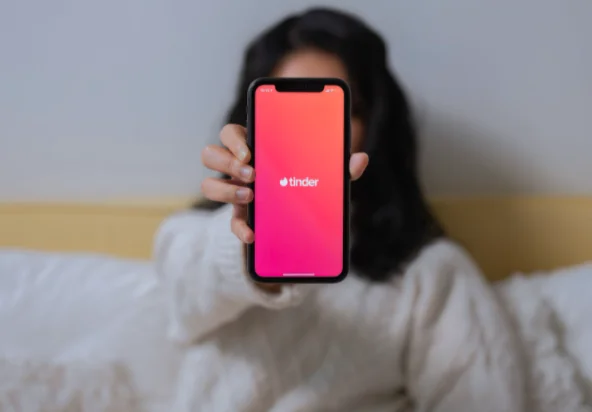
Many people now reach online services mainly through their phones, and online dating is no exception: the most-used dating services in the United States, such as Tinder, Match and Bumble, are all available as mobile apps. As a result, any dating business, whether it serves local singles or international introductions, benefits from offering a mobile app alongside its website.
However, if you still aren’t sure why mobile apps are a great choice for your dating business, here are some reasons why you should consider creating this innovative tool.
Mobile apps offer better personalization
When it comes to offering consumers an enjoyable online experience, one significant factor to take into consideration is personalization. But what exactly does this entail? Put simply, personalization involves creating a unique experience tailored to each user’s needs, location, interests, and behavioral patterns.
Although creating a dating website offers users some sort of personalized experience, this experience is quite limited. Mobile apps, on the other hand, let users set up their preferences at the very beginning. Subsequently, these apps can then go on to provide users with customized content.
But that’s not all. Apps can also track the usage behaviors and as such, offer custom recommendations to the users. This way, you can ensure user satisfaction till the very end and increase conversions.
Help users receive notifications
Whether a dating business serves local singles or international introductions, its users expect a smooth experience on the device they use most. Notifications are one of the clearest advantages an app has over a website.
In the past, emails used to be the most widely used tool for communications. If a user had a new match on a dating site, they’ll most likely have had to check their email first.
Many people do not check email several times a day, so a match alert sent only by email can sit unread for hours. Email still has a role, but it is slower for time-sensitive events such as a new message or a new match.
With mobile apps, users can receive both push notifications and in-app notifications. This means that your target audience can now get messages and notifications instantly without having to visit an external app.
Revolutionary branding experience
Creating a mobile app for your dating business helps you to offer a whole new branding experience to users. An app gives a dating business room to try branding styles that differ from its regular website look.
This way, users can be introduced to the different facets of your brand. In the same vein, a mobile app gives users the freedom of customizing the app to suit their personal style. For instance, users can choose a light or dark theme for their display page, depending on their preferences.
More screen time for users
An older industry estimate, cited in the book linked here, reported that mobile users spent up to 86% of their time on mobile apps and about 14% on mobile websites. The exact split varies by source, country and year, so treat it as a general direction rather than a current figure. For a dating service, the practical point is that many users are likely to find an app more convenient than a mobile website.
So what does this mean for your dating business? More time spent in an app creates more chances to turn a visitor into an active or paying member, but it does not guarantee it: match quality, safety and retention matter more than raw screen time.
Brand presence
A new dating business, whether it focuses on local matchmaking or international introductions, needs to build its brand presence quickly. Fortunately, a mobile app helps to subtly increase your branding. This is because users typically encounter apps installed on their device everyday.
Even when they aren’t using the app, the app’s icon serves as a reminder of your brand and helps to influence their perception of it. This way, you get to be in your users’ faces without literally being in their faces.
Final Thoughts
A well-built mobile app is one of the most effective ways to keep a dating business competitive, although it is not a guarantee of success on its own. Not only does it help you stay on top of the competition but it equally helps you to ensure user satisfaction at the end of it all.
If a dating business already has steady website traffic, a mobile app is a logical next step, provided the team can meet app-store safety, privacy and account-deletion rules.
What Do Apple and Google Require From Dating Apps?
Dating apps are allowed on both major app stores, but they must meet rules that a dating website does not face. Planning for these rules early avoids rejected submissions and costly rebuilds.
Apple App Store rules
- User-generated content (Guideline 1.2): according to Apple’s App Review Guidelines, apps with user-generated content or social networking must include a way to filter objectionable material, a mechanism to report offensive content with timely responses, the ability to block abusive users, and published contact information.
- Account deletion (Guideline 5.1.1(v)): if an app supports account creation, it must also let people delete their account from within the app.
- Objectionable content (Guideline 1.1.4): Apple bars “hookup” apps and apps that may include pornography or be used to facilitate prostitution, human trafficking or exploitation. Ordinary dating apps are permitted.
Google Play rules
Google Play’s account deletion policy requires apps that let users create accounts to provide an in-app path to delete the account and its associated data, plus a working web link where users can request deletion without reinstalling the app. Developers must also answer the data deletion questions in the Play Console Data safety form, which appears on the store listing.
Which Safety Features Should a Dating App Include?
Safety features are a commercial necessity for dating apps, not an extra. Romance and impersonation scams target dating platforms, and users judge a service by how quickly it removes fake profiles.
According to Federal Trade Commission testimony to the US Congress in March 2026, consumers filed 3 million fraud reports in 2025 and reported $15.9 billion in losses. Imposter scams, the category that includes romance scams, drew more than 1 million reports and more than $3.5 billion in reported losses in 2025.
- Report and block buttons on every profile and chat (also an Apple requirement).
- Profile verification, such as photo or phone checks, to reduce fake accounts.
- Moderation that combines automated filters with human review of reports.
- Scam warnings in chat when a match asks for money, gift cards or cryptocurrency, or tries to move the conversation off the platform quickly.
- Privacy controls that let users hide their exact location and delete their account and data easily.
Readers using dating services can find practical advice in our guides on how to be smart about online dating and identifying red flags in your dating life.
International Introduction Services and the Law
Businesses that introduce US clients to foreign nationals for marriage face extra legal duties in the United States. The International Marriage Broker Regulation Act (IMBRA), enacted in 2005, requires international marriage brokers to search sex offender public registries for the US client, collect criminal and marital background information, share that information with the foreign client in the foreign client’s primary language along with a government informational pamphlet on legal rights and domestic violence resources, and obtain the foreign client’s signed written consent before releasing the foreign client’s contact details.
Violations can bring civil penalties of $5,000 to $25,000 per violation or criminal penalties of up to five years in prison. Any dating business, website or app, that operates in this space should take legal advice in each market it serves; this article is general information, not legal advice.
Dating Website vs Dating App: Comparison
| Feature | Dating website | Dating app |
|---|---|---|
| New match or message alerts | Mostly email; browser notifications are optional | Push and in-app notifications |
| Personalization | Possible, but limited by sign-in and browser data | Preferences set at sign-up plus in-app behavior |
| Brand visibility | Only when the user visits | App icon on the home screen every day |
| Store review | None | Must pass Apple and Google review |
| Account deletion | Set by the business and local privacy law | Required in-app by Apple and Google |
| Build and upkeep | One codebase for all browsers | iOS and Android builds, updates and testing |
How to Launch a Dating App: Practical Steps
- Define the audience and niche (local, faith-based, age-based or international introductions) and the legal rules that apply to it.
- Choose the build route: native, cross-platform or a white-label product. Our guide on custom app development for your business covers the trade-offs.
- Design safety in from day one: reporting, blocking, moderation, verification and in-app account deletion.
- Budget for the full cost, including store fees, servers, moderation and updates; see the hidden costs of launching a mobile app.
- Test thoroughly on real devices before submission, following this guide to mobile app testing.
- Submit, monitor and iterate: track reports, retention and reviews, and fix safety issues first.
Frequently Asked Questions
Does a dating business need an app if it already has a website?
A dating business does not strictly need an app, but an app adds instant notifications, deeper personalization and daily brand visibility that a website struggles to match. Many established dating services operate both.
Are dating apps allowed on the Apple App Store?
Yes. Dating apps are allowed on the App Store, but Apple’s guidelines require filtering, reporting, blocking and published contact information for user-generated content, plus in-app account deletion, and they bar “hookup” apps and apps that facilitate prostitution or trafficking.
Do dating apps have to let users delete their accounts?
Yes. Apple requires in-app account deletion for any app that supports account creation, and Google Play requires both an in-app deletion path and a web link for deletion requests.
How many Americans use dating apps?
According to a Pew Research Center survey conducted in July 2022 and published in February 2023, three in ten US adults have ever used a dating site or app, rising to 53% of adults under 30. That is the newest Pew figure on this question.
What law applies to international marriage introduction services in the US?
The International Marriage Broker Regulation Act of 2005 applies. It requires brokers to run sex offender registry checks on US clients, disclose background information to foreign clients in their language, and obtain the foreign client’s written consent before sharing contact details.